Event porta potty rentals
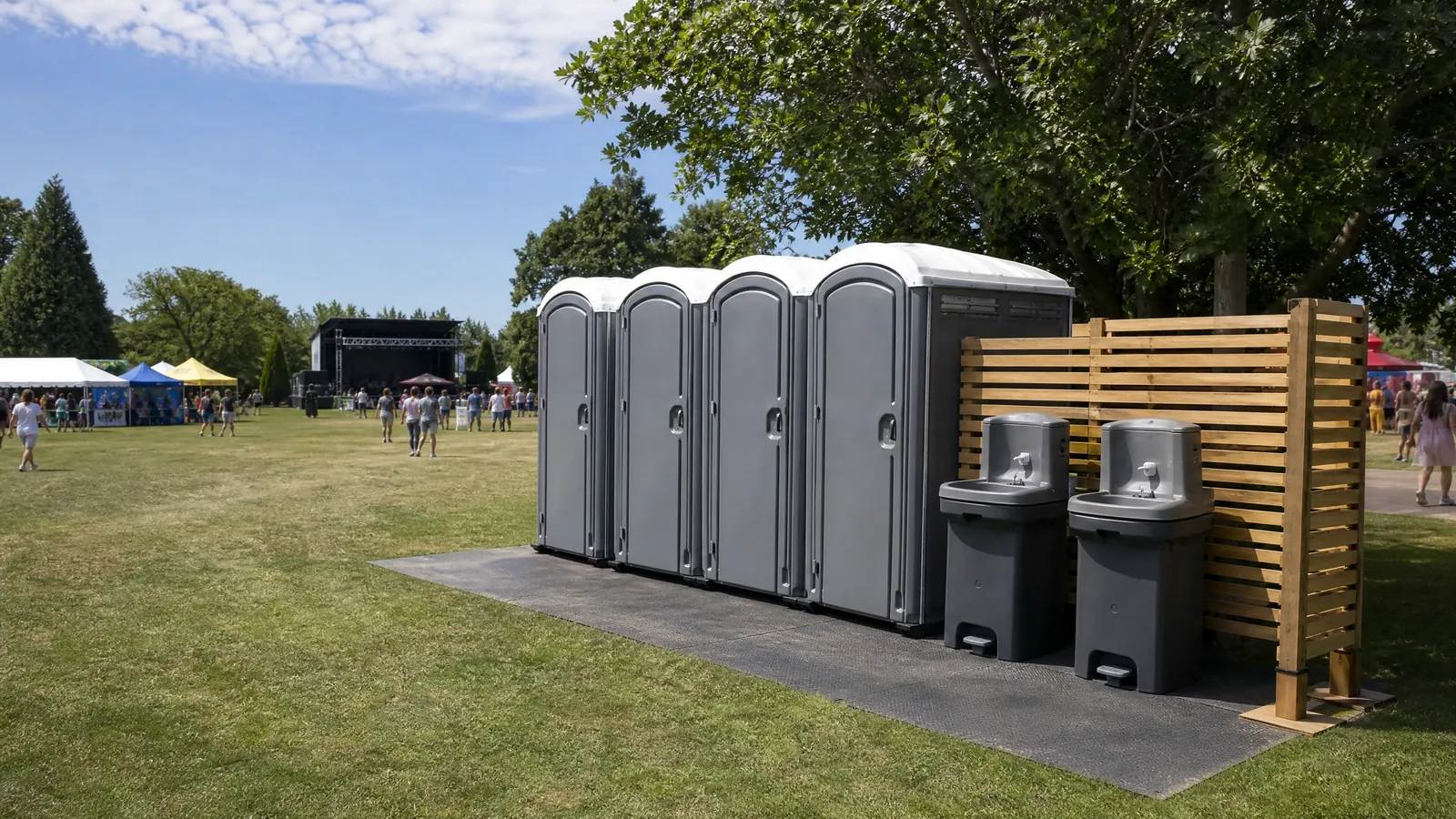
Portable restroom setups for festivals, sports fields, markets, private gatherings, and public-facing events where guest flow matters.
Get A QuoteLakewood portable restroom rentals
Lakewood Porta Potty Rentals helps organizers, site teams, and property planners compare the right portable restroom, trailer, accessible unit, and handwashing options for their setting.
01 / Portable sanitation services
Compare the portable restroom services most often needed for gatherings, construction activity, long-term placements, public access, guest comfort, and hygiene support.
Portable restroom setups for festivals, sports fields, markets, private gatherings, and public-facing events where guest flow matters.
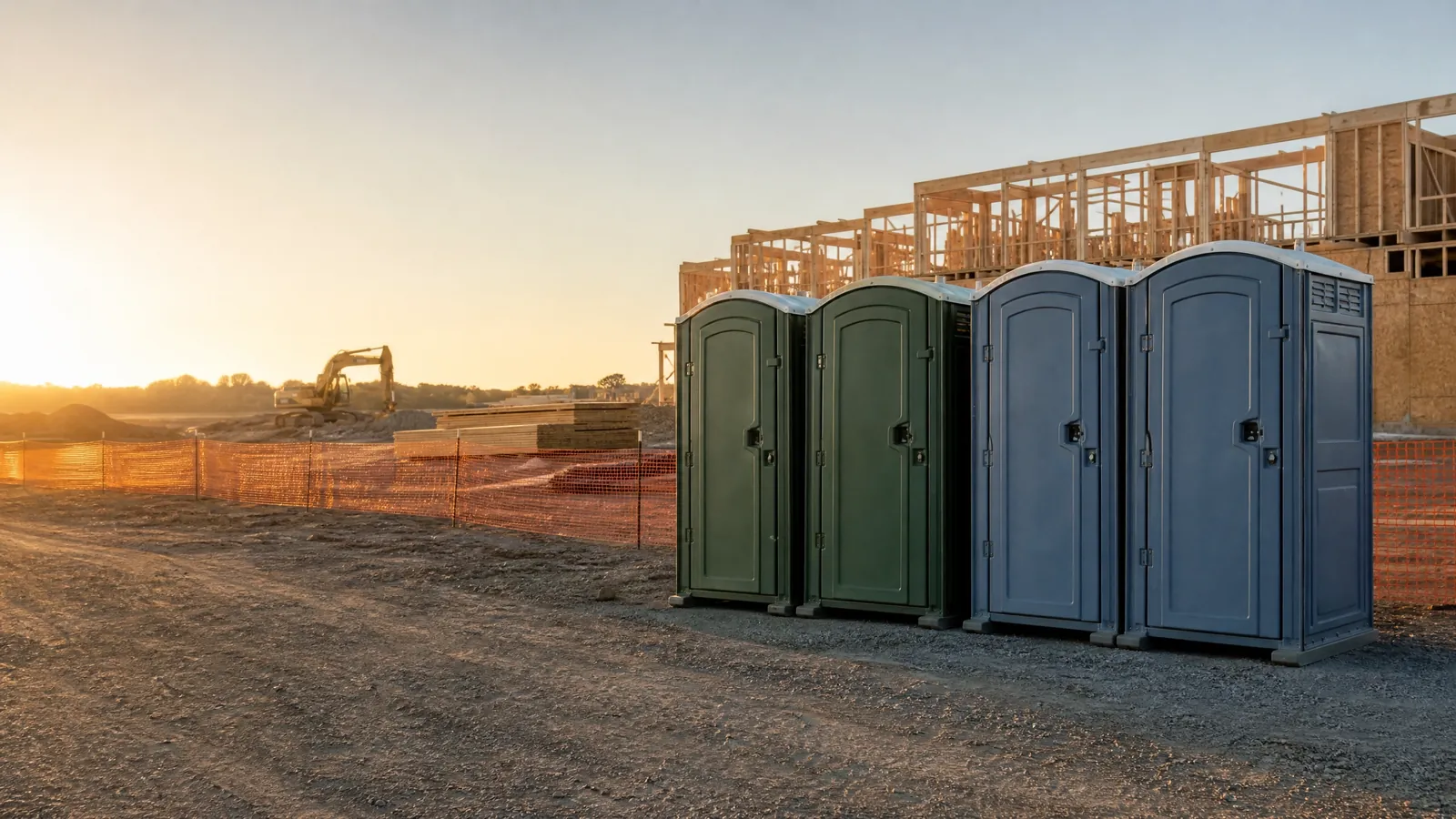
Get A QuoteDurable jobsite units for crews, renovation work, utility projects, and long-running builds that need practical access.
Get A QuoteFinished restroom options for weddings, corporate functions, and settings where presentation and guest comfort carry more weight.
Get A QuoteAccessible unit planning with a clear, stable approach route built into the conversation from the start.
Get A QuoteHandwashing stations placed where crews and guests naturally pause, eat, arrive, or transition between activities.
Get A QuoteOngoing unit placement and service planning for extended construction, property work, seasonal operations, and recurring needs.
Get A QuotePlacement and service conversations that consider efficient site flow, handwashing access, and a tidy event or work area.
Get A QuotePrivate trailer options for larger events and occasions that call for a more finished restroom experience.
Get A Quote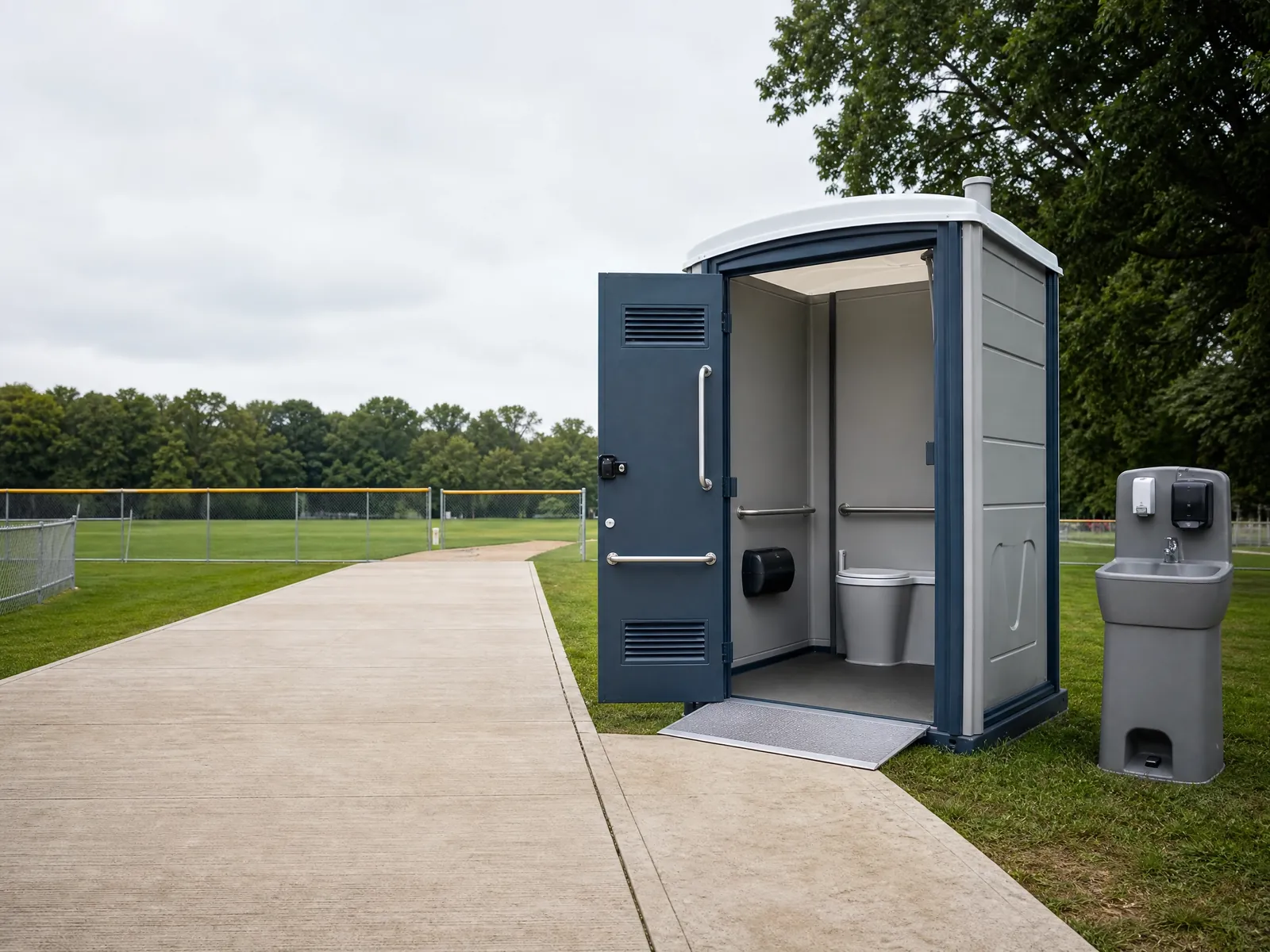
02 / Lakewood rental context
In Lakewood, CO, portable sanitation supports outdoor events, job sites, property work, seasonal gatherings, and the everyday logistics around public-facing spaces. A useful rental plan starts with the setting, then matches service options to the people and activity taking place there.
Applewood blends neighborhood streets with open spaces and trail access, making it a natural setting for farmers markets, youth sports, and block-style events. Terrain can shift from lawn to gravel within a short walk, so restroom placement benefits from firm pads and clear paths. When planning gatherings here, consider visibility from main approaches and space for lines that won’t block vendor areas. Handwashing near food stalls is a simple upgrade that guests appreciate.
Edgewater’s compact, walkable blocks and lakeside recreation areas invite pop-up events, fun runs, and community meetups. With tighter urban footprints, restroom layouts work best when tucked near natural pathways and lighting. If activities stretch into the evening, plan for safe approaches and crowd-friendly queuing. Accessible routes from sidewalks and parking deserve extra attention, as curb transitions and grade changes can affect mobility.
Wheat Ridge hosts a mix of neighborhood parks, garden centers, and small-business corridors where weekend markets and tournaments bring steady foot traffic. Restrooms often fit best along the edges of activity zones, preserving views while keeping lines efficient. For multi-day uses, refreshing supplies between days helps maintain a positive experience. Soft ground after rain may call for mats or choosing a nearby paved pad.
With foothill views and trail access nearby, Dakota Ridge invites outdoor meetups and active gatherings. Slopes and changing surfaces can influence where restrooms, trailers, and handwashing stations make the most sense. Consider wind exposure at higher points and keep accessible routes gentle and well-marked. Strategic placement along flatter approaches helps guests find facilities quickly without interrupting the scenery.
03 / Common questions
Q: How do I estimate the right number of units for my event? A: A common guide is one standard unit per 50–75 guests for a 3–4 hour window, adjusted for duration, alcohol service, and whether trailers or handwashing are included.
Q: What kind of surface is best for placement? A: Firm, level ground is ideal—pavement, compacted gravel, or stable turf. Avoid steep slopes or soft soils that could shift under weight or after rain.
Q: Do I need a permit to place units in a park or public space? A: Some venues and jurisdictions require approvals. Check with the property owner or local authority early, especially for trailers or multi-day setups.
Q: How are units cleaned and restocked? A: Servicing typically includes waste removal, interior cleaning, and replenishing supplies. We’ll outline a plan suited to your usage and setting.
Q: Can units be secured to prevent misuse? A: Standard units include interior latches; exterior locks or fencing may be considered where appropriate. Discuss security needs for after-hours settings.
Q: What’s different about restroom trailers compared to standard units? A: Trailers feel more like indoor restrooms, with multiple stalls and sinks. They may require level ground and power/water depending on the model.
Q: How does cold or windy weather affect planning? A: Choose wind-stable placements, consider ground mats, and use cold-weather additives where appropriate. Lighting and sheltered approaches help in winter months.
Q: What should I know about accessibility? A: Include ADA-accessible units on firm, level ground with clear routes, turning space, and good visibility. Keep pathways wide and free from obstructions.